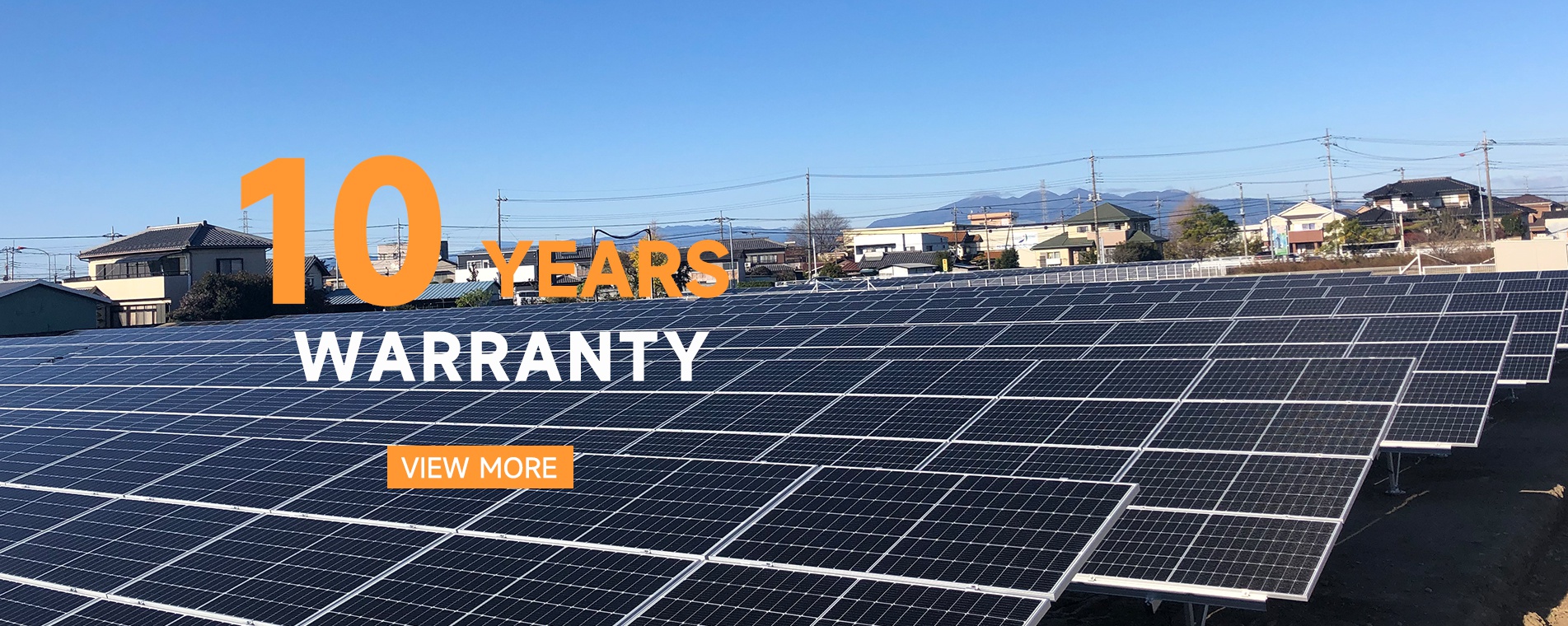
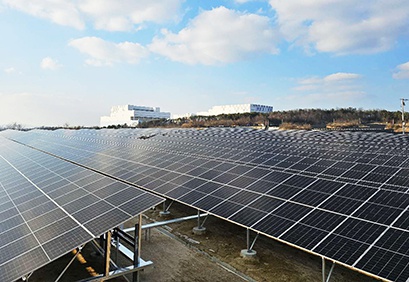
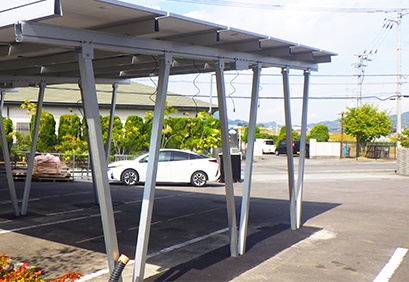
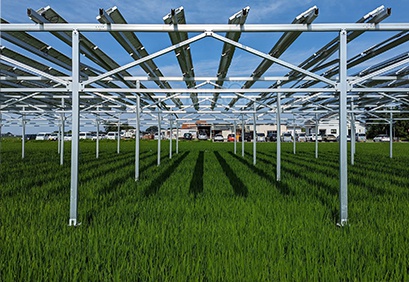
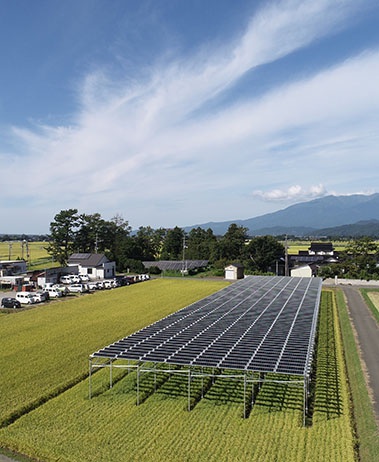
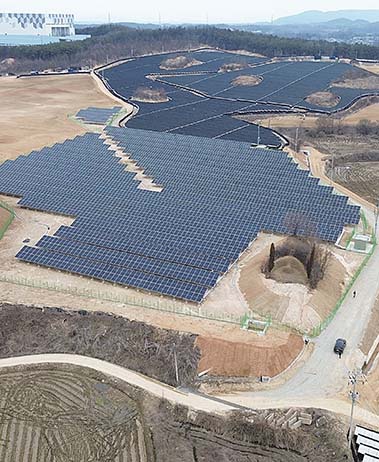
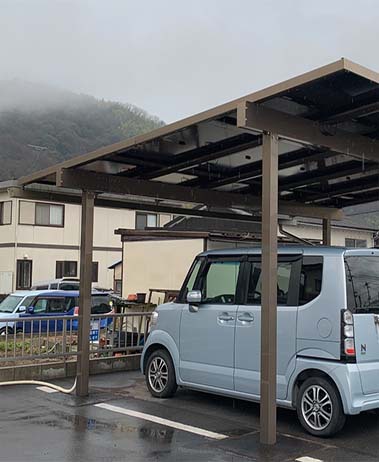
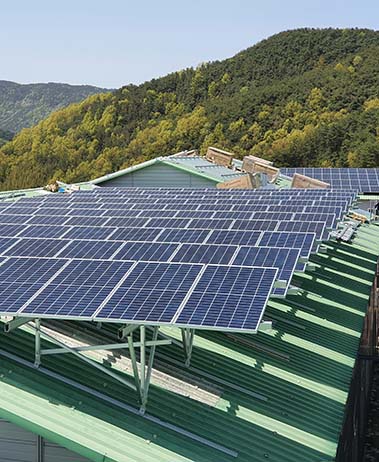
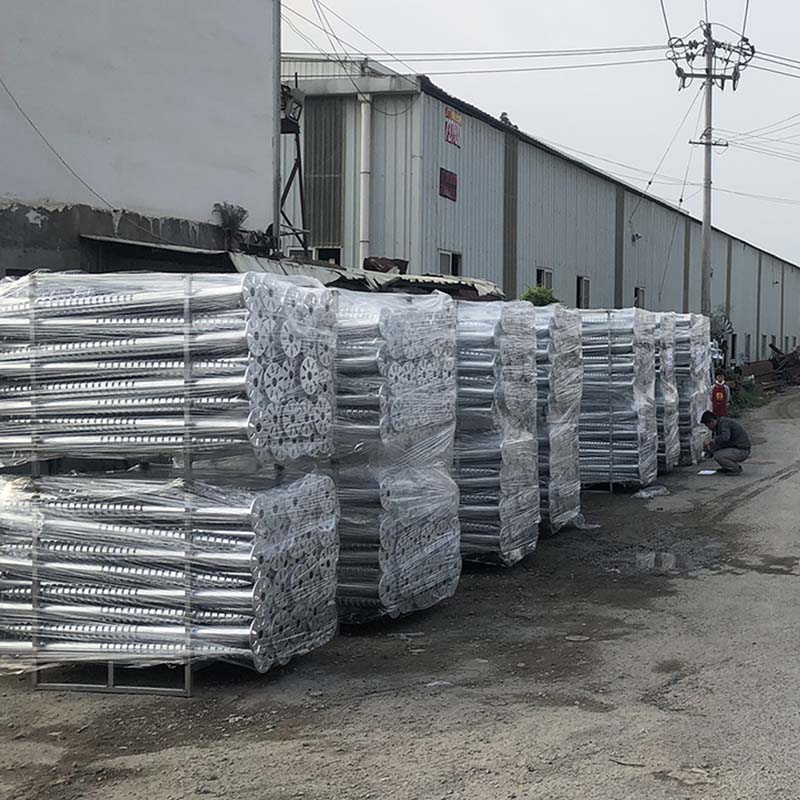
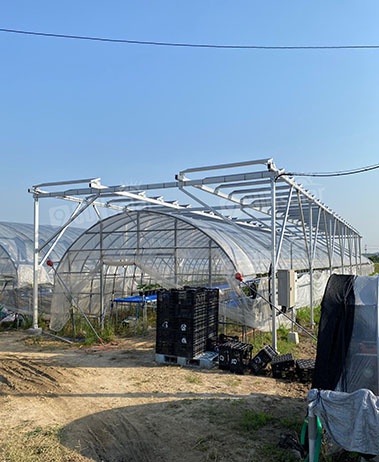
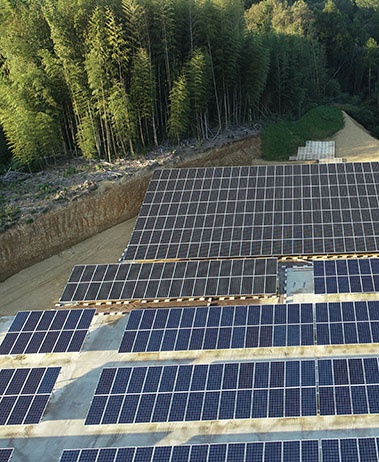
Im Jahr 2024 soll in Japan ein 80-kW-Solarpark-Montagesystem gebaut werden
Unser Expertenteam ist darauf vorbereitet, Sie bei einer Vielzahl von Anforderungen an Solarmontagesysteme zu unterstützen. Bitte teilen Sie Ihre E-Mail-Adresse mit, um mit uns in Kontakt zu treten.
When designing a rooftop solar array, the mounting structure rarely gets the spotlight. Yet the choice between old-school hook systems and a modern solar rail system makes a huge difference in speed, safety, and long-term reliability. In my experience, the most underrated upgrade is pairing a solar L foot with a properly engineered solar rail. Together, they create a foundation that is stronger, more waterproof, and faster to install than traditional alternatives. Let’s break down what makes this combination different—and why it’s becoming the new standard. What Are We Actually Talking About? Solar L foot – An L-shaped aluminum bracket that bolts directly to the roof rafters or decking. It includes a sealed EPDM foam base for waterproofing. Solar rail – The extruded aluminum channel that sits on top of the L feet and carries the solar panels. Solar panel rail – Another term for the same rail, emphasizing its role in holding PV modules securely. Solar rail mounts – The complete set of components (L feet, bolts, clamps, end caps) used to attach the rail to the roof. When you combine these, you get a solar rail system that is modular, adjustable, and surprisingly simple. Key Differences vs. Traditional Hook Systems Feature Traditional Hook L Foot + Rail Roof penetration 2–4 screws per hook 1 screw per L foot Waterproofing Lead or rubber flashing Pre-attached EPDM gasket Rail alignment Hook position is fixed Rail can slide along L foot top Material compatibility Best for wood rafters Works with wood, steel, concrete The biggest difference? Adjustability. With a standard hook, once it’s screwed down, the solar panel rail position is locked. If your measurements are off by 2 cm, you have to remove screws and re-drill. With a solar L foot, the top slot allows the rail to slide fore and aft before tightening. That single feature saves hours of frustration on a medium-sized roof. Advantages of the L Foot + Rail Structure 1. Fewer Leaks – Period Each solar L foot comes with a factory-applied waterproof pad. When compressed by the single mounting screw, it creates a seal that outlasts hand-cut flashing. Many manufacturers now offer 10-year leak warranties on this design. 2. Faster Installation Because there’s no measuring for hook slots or cutting lead sheets, crews can install solar rail mounts roughly 35% faster. One crew member positions L feet; another snaps on the solar panel rail. No waiting, no rework. 3. Lower Roof Stress Traditional hooks concentrate force on a single screw point. The solar L foot spreads the load across a 20–30 cm² footprint. This is critical for older asphalt shingles or fragile clay tiles. 4. Works on Multiple Roof Types Asphalt shingles – Direct mount, tuck the gasket under the shingle above. Clay/concrete tiles – Lift the tile, screw L foot to decking, then replace the tile over the foot. Metal standing seam – Use a clamp adapter (no roof penetration at all). 5. Built-in Leveling The horizontal leg of the l foot solar bracket naturally self-levels on the roof plane. If your rafters are slightly warped (common in older homes), the L foot still provides a flat mounting surface for the rail. 6. Future Serviceability Need to replace a single panel or repair roof underlayment? Loosen the rail, slide it off the L feet, and remove only the affected section. You don’t have to dismantle half the array. When Should You Choose This System? The solar rail system based on L feet is ideal for: Residential sloped roofs (especially asphalt shingle and tile) High-wind or heavy-snow regions (dual-bolt locking is very strong) Retrofits where existing attachments are failing It is not recommended for: Corrugated metal roofs thinner than 0.5 mm Flat commercial roofs (use ballasted or penetrating pedestals instead) Live turf or green roofs (specialized low-impact mounts exist) A Quick Word on Components If you search for solar panel rail, you’ll find many profiles. For L foot systems, choose a rail with an open slot on the bottom (to slide onto the L foot top) and a top channel for panel clamps. Standard lengths are 3–5 meters. The solar rail mounts themselves (L feet, bolts, splices) are usually sold as kits. Make sure the l foot solar bracket is rated for your local wind speed. A 120 mph rating is typical for most of the US. Real-World Example I recently watched a team install a 9 kW system on a 30-year-old asphalt roof. They used solar L foot brackets every 1.2 meters along each solar rail run. The solar panel rail went down in straight, level lines without a single shingle crack. The whole rail mounting phase took under three hours. The homeowner commented, “It looks cleaner than my neighbor’s system.” That’s the L foot difference. Bottom Line The shift from old hook-style attachments to a purpose-built solar rail system with solar L foot bases is not a minor tweak—it’s a fundamental improvement in how we attach PV to roofs. You get: Fewer penetrations Faster installs Better waterproofing A serviceable, long-lasting structure If you are specifying or installing rooftop solar in 2026 and beyond, put the solar L foot and solar rail at the top of your bill of materials. Your roof—and your future self—will thank you.
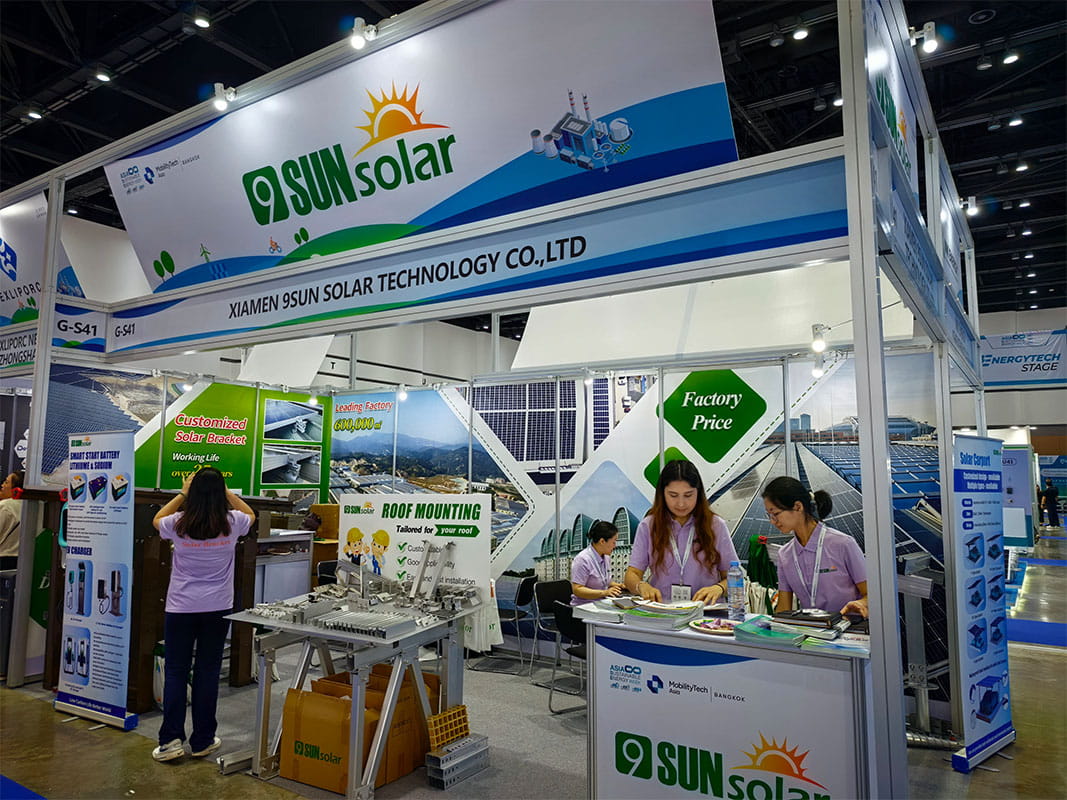
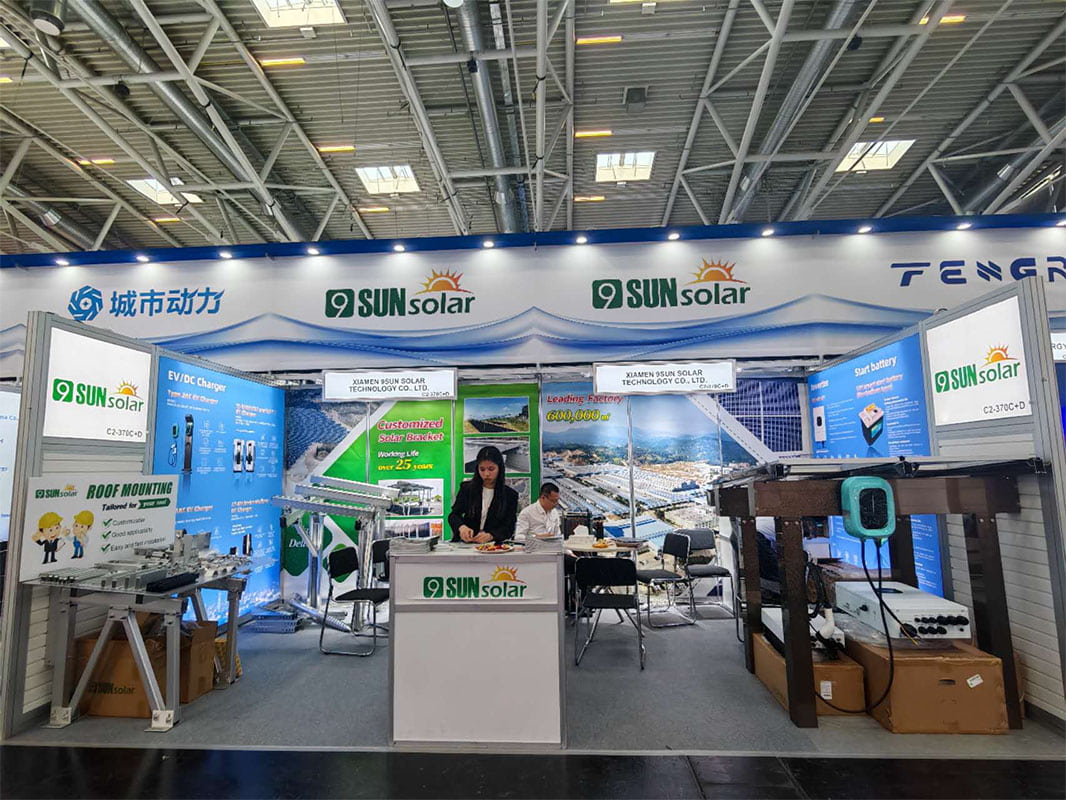
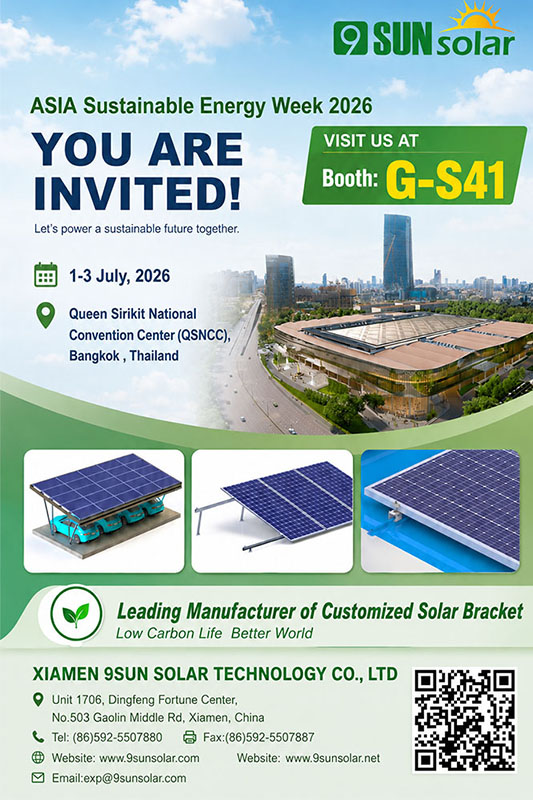
MEHR LESENSie sind herzlich eingeladen, XIAMEN 9SUN SOLAR TECHNOLOGY Co., Ltd. auf der kommenden Veranstaltung kennenzulernen. Internationale Messe für grüne Energie 2026, die stattfinden von Vom 22. bis 24. April 2026 in Exco-ro, Buk-gu, Daegu, 41515, Südkorea. Unser Team freut sich darauf, Sie am Stand begrüßen zu dürfen. F-150Dort werden wir unsere neuesten Fortschritte in der Solarenergietechnologie vorstellen. Produkt-Highlights auf der Messe: Neue Generation von Dachsolaranlagen – Verbesserte Effizienz, leichtes Design und nahtlose Integration für private und gewerbliche Anwendungen. Fortschrittliche Solar-Carport-Systeme – Langlebige, witterungsbeständige Konstruktionen, die Energieerzeugung mit praktischem Fahrzeugschutz verbinden und sich ideal für Parkanlagen und Gewerbeflächen eignen. Neueste Wechselrichter und Ladegeräte – Hochleistungsfähige Stromwandlungslösungen mit verbesserter Netzkompatibilität, intelligentem Energiemanagement und zuverlässigen Ladefunktionen. Unsere technischen und kaufmännischen Vertreter werden vor Ort sein, um Produktdemonstrationen durchzuführen, Projektanforderungen zu besprechen und mögliche Kooperationsmöglichkeiten auszuloten. Wir freuen uns auf Ihren Besuch an Stand H F-150.
MEHR LESENDie Tokyo-Ausstellung läuft, Xiamen 9Sun Solar Neue Energie ist da, wie versprochen!Veranstaltungsdetails:Ausstellungsname:TOKYO PV EXPO (Frühling) 2026Termine:17.–19. März 2026Zeit:täglich 10:00 – 17:00 UhrStandort:Tokyo Big Sight, Tokio, JapanUnsere Standnummer: E6-30Als Unternehmen, das sich intensiv mit dem Bereich der neuen Energien auseinandersetzt, bieten wir qualitativ hochwertige Produkte an, wie zum Beispiel Carport-Typ, Dachtyp Photovoltaik-Montagesysteme und hocheffiziente Energiespeichersysteme. Mit professioneller Forschungs- und Entwicklungskompetenz und gleichbleibend hoher Produktqualität. Wir sind bereit, mit internationalen Kollegen zusammenzuarbeiten, um ein kohlenstoffarmes, effizientes und sicheres Energieökosystem aufzubauen.
MEHR LESENWir freuen uns, Sie zu einem Besuch an unserem Stand auf derAusstellung TOKYO PV EXPO (Frühling) 2026, eine der bedeutendsten Ausstellungen für erneuerbare Energien in Asien.Veranstaltungsdetails:Ausstellungsname:TOKYO PV EXPO (Frühling) 2026Termine:17.–19. März 2026Zeit:täglich 10:00 – 17:00 UhrStandort:Tokyo Big Sight, Tokio, JapanUnsere Standnummer:E6-30An unserem Stand präsentieren wir unsere neuesten Innovationen im Bereich Photovoltaik und erneuerbare Energien. Nutzen Sie die Gelegenheit, sich über zukunftsweisende Entwicklungen zu informieren, Branchentrends zu diskutieren und zu erfahren, wie unsere Produkte Ihre Geschäftsziele unterstützen können.Es wäre uns eine Ehre, Sie als unseren Gast begrüßen zu dürfen. Bitte lassen Sie uns wissen, ob Sie während der Ausstellung ein Treffen mit unserem Team vereinbaren möchten. Wir finden gerne einen passenden Termin für Sie.Sollten Sie Fragen haben oder weitere Informationen benötigen, zögern Sie bitte nicht, uns zu kontaktieren.Wir freuen uns darauf, Sie in Tokio und zu einer inspirierenden Ausstellung begrüßen zu dürfen!
MEHR LESEN